
The Neighborhoods
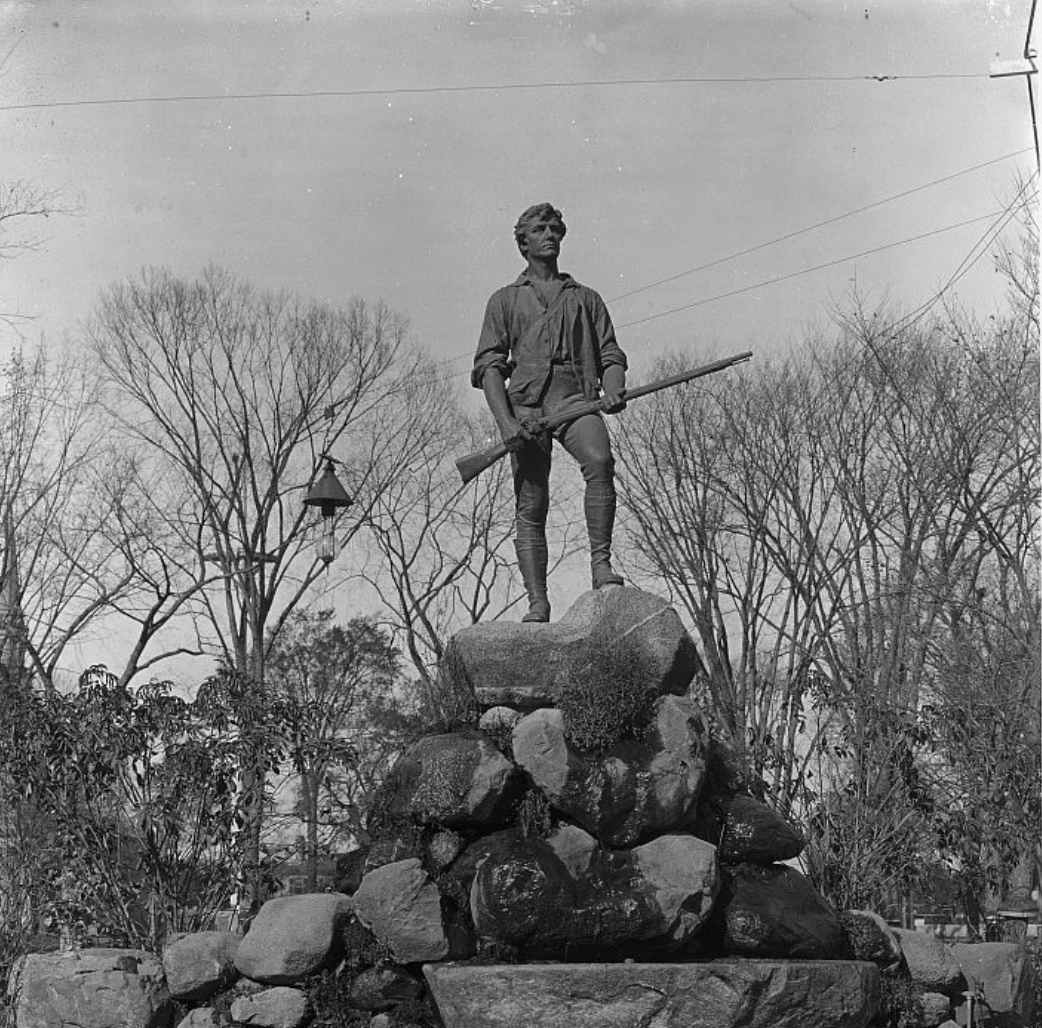
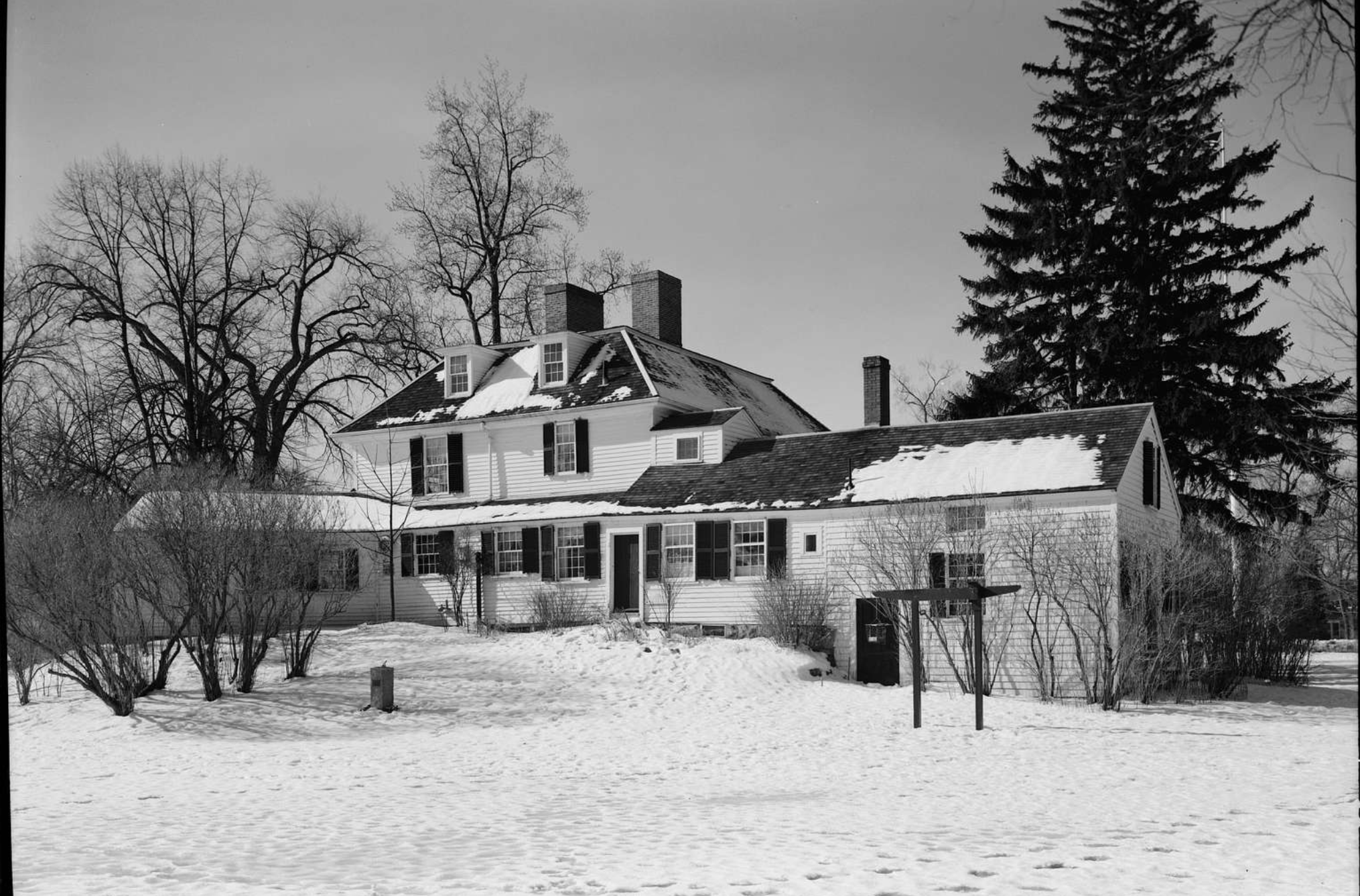
Although Lexington is best known for its role in the battle that launched the American Revolution, a second revolution quietly took place in town starting in the 1940s when former farmland became the site of experimentation in modern house design and community building.
This innovative effort was led by a group of talented architects trained at Harvard and MIT who were inspired by the work of Walter Gropius. Gropius, the former head of the Bauhaus in Germany, came to teach at the Harvard Graduate School of Design in 1937 and influenced generations of architects with his embrace of the modern, strikingly reflected in his own home in Lincoln.
Lexington became a laboratory for a utopian vision that combined modern house design with neighborhood development emphasizing common land and recreation facilities like pools and tennis courts. In the ensuing decades, starting with the Six Moon Hill development, nine new neighborhoods of varying sizes were developed in Lexington.
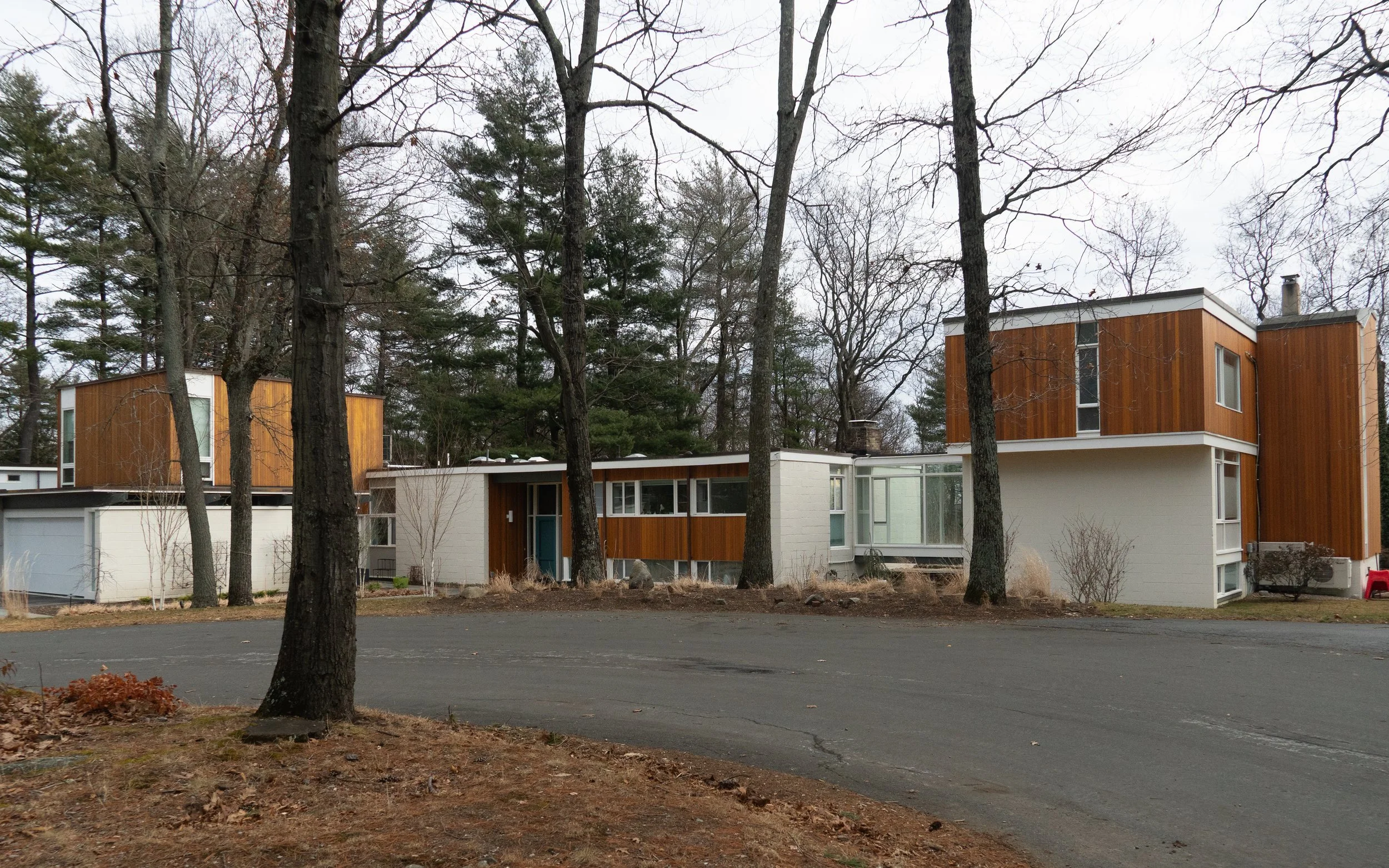
Moon Hill Road
Photo by Drew Chuang
Six Moon Hill
Developed starting in 1947 by a group of architects associated with the Harvard Design School known as The Architects Collaborative. The neighborhood includes 32 houses as well as a small park and swimming pool. Although individually designed, the houses had common characteristics including a strong horizonal orientation, large panes of glass to provide visual access to the outdoors, vertical wood siding and open floor plans.
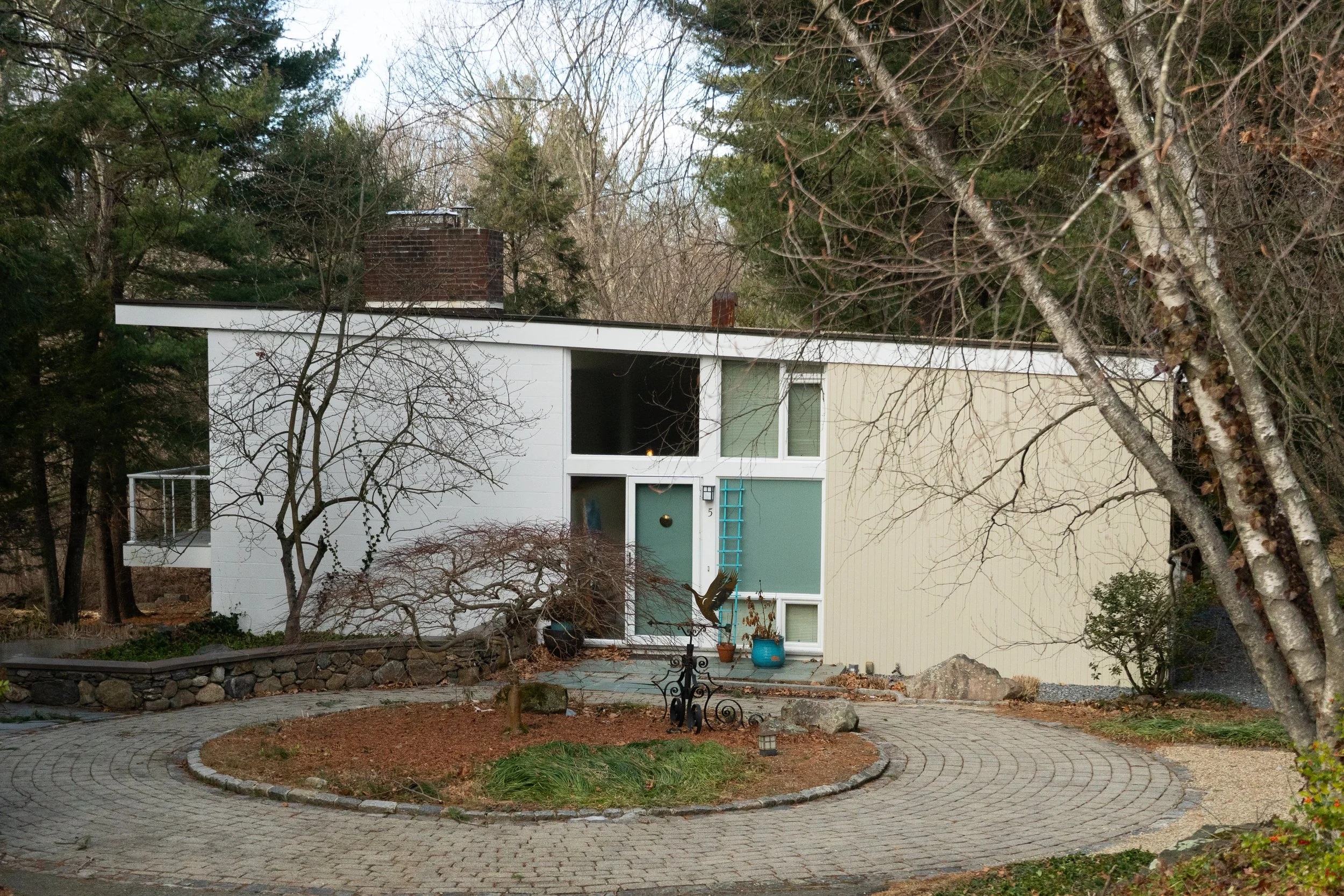
Field Road
Photo by Drew Chuang
Five Fields
A neighborhood of 68 houses also developed by The Architects Collaborative beginning in 1952. Three floor plans were initially offered: a one-story model on flat sites, a two-story version on steep slopes, and a split level on gentle slopes. Variations in design occurred when new buyers requested changes.
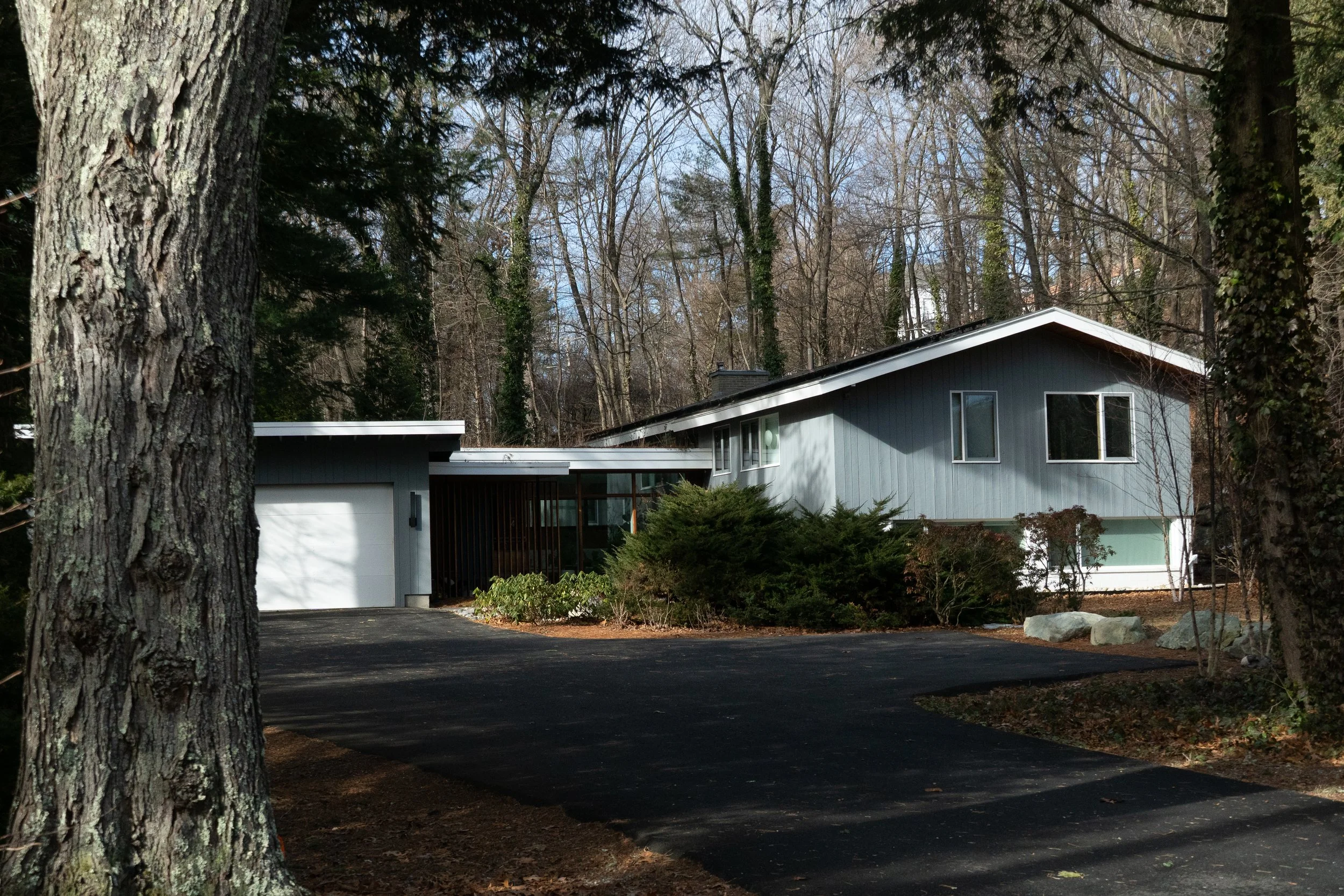
Peacock Farm Road
Photo by Drew Chuang
Peacock Farm
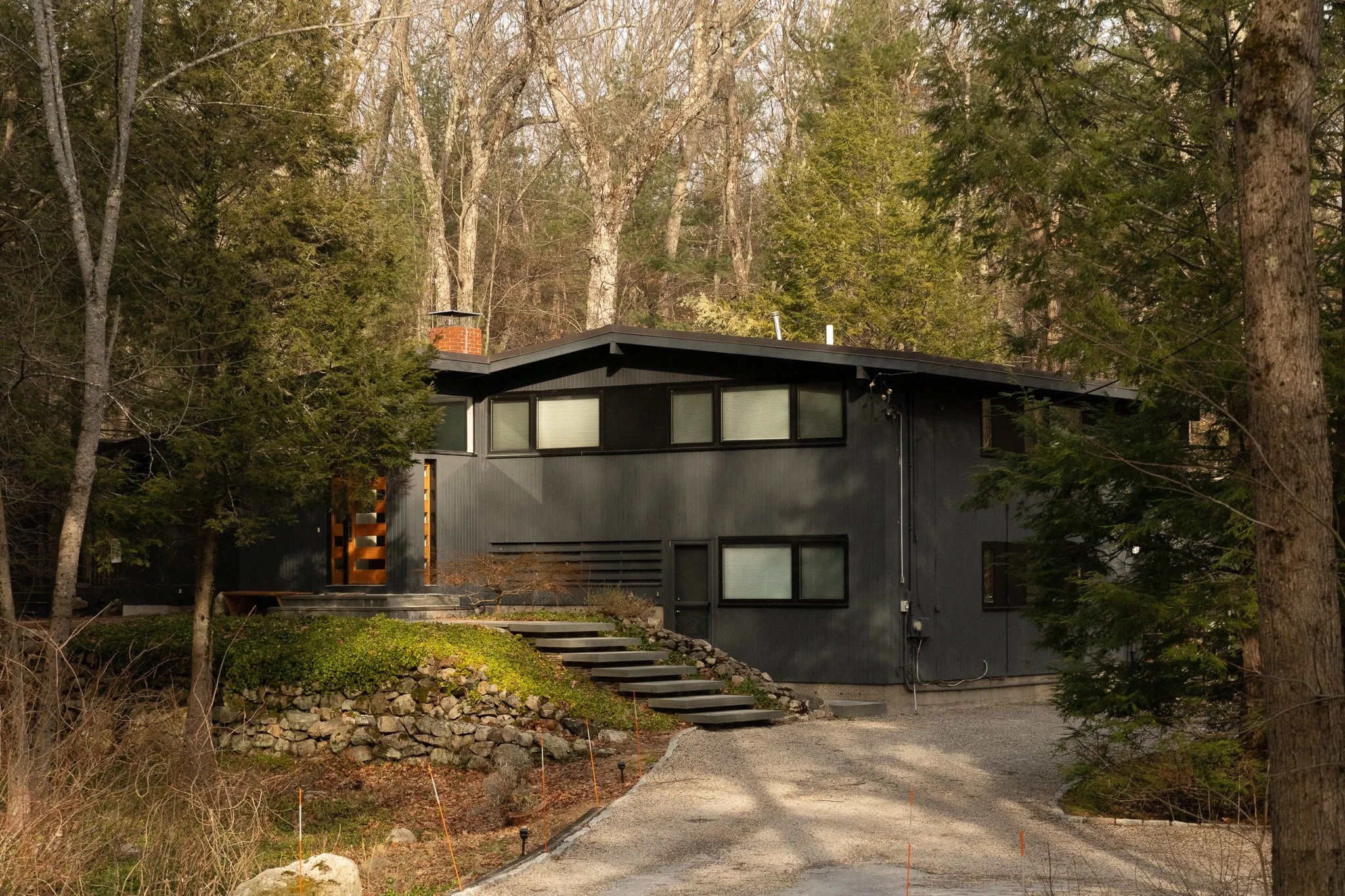
A 42 -acre site purchased in 1951 by Danforth Compton and Walter Pierce, recent graduates of the MIT School of Architecture. The “Peacock Farm” style houses had large expanses of glass, asymmetrical gable roofs, stained vertical siding and open floor plans. This house style was hugely influential in the development of subsequent mid-century modern neighborhoods in Lexington.
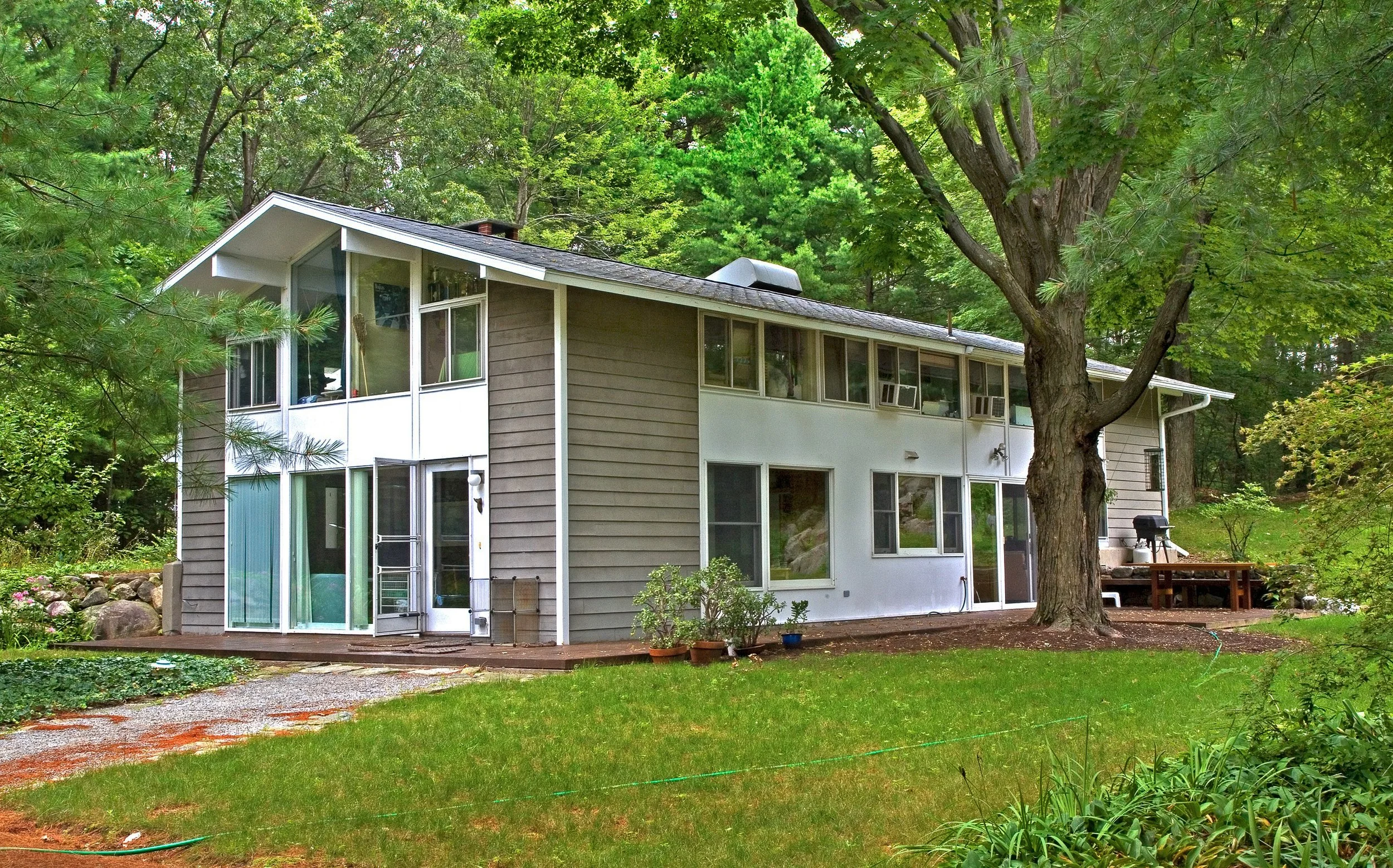
Demar Road
Photo by Paul Doherty
Middle Ridge
Developed in six phases between 1956 and 1967 representing a number of different housing styles and approaches. The initial impetus for the development came from the Techbuilt Corporation, whose MIT-trained architect, Carl Koch partnered with a colleague to design affordable semi-prefabricated home with flexible living space. Thirty-seven Techbuilt homes were built before the company went out of business. The neighborhood was further developed to include chalet-like dwellings, raised ranches and “California contemporary” houses.
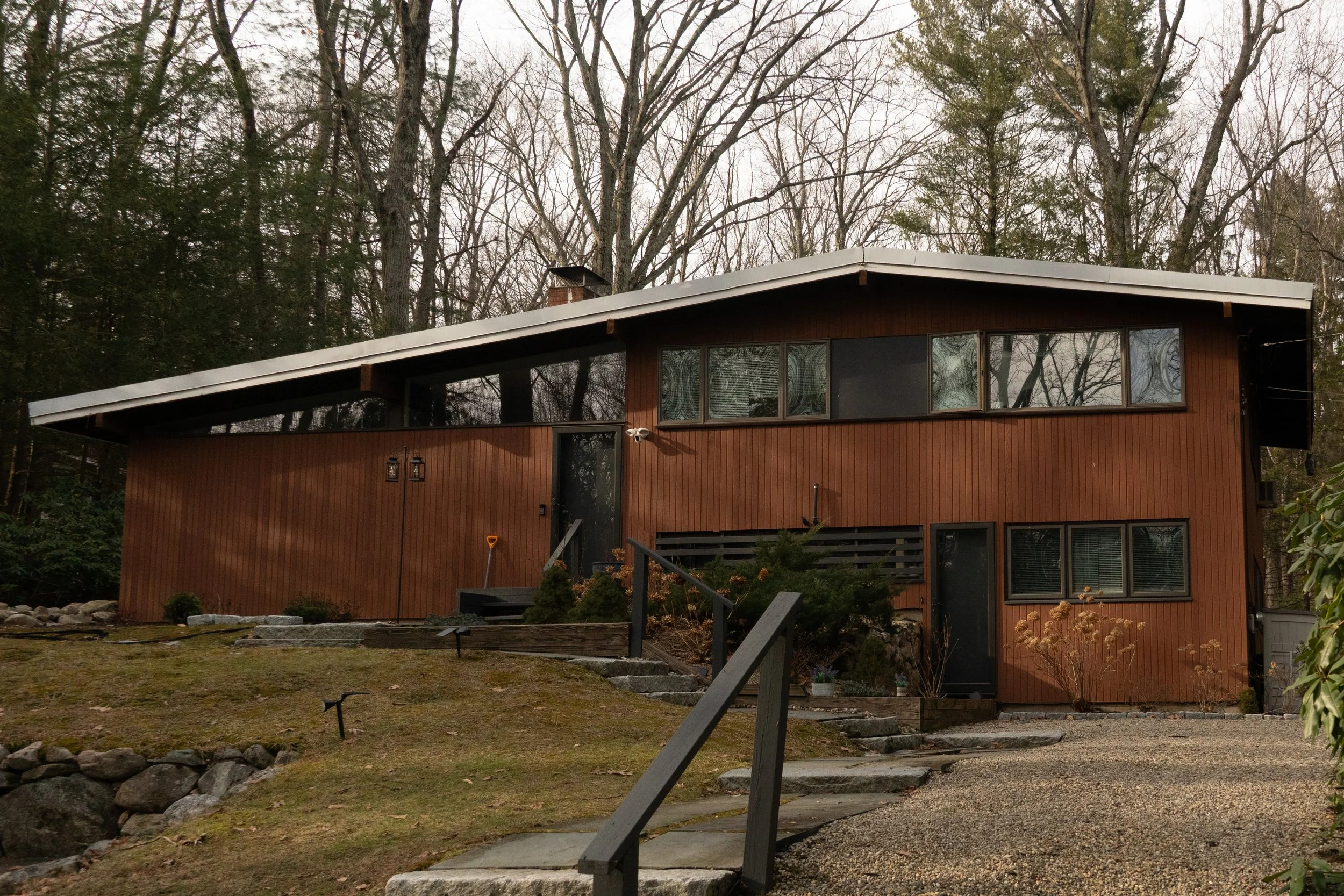
Gould Road
Photo by Drew Chuang
Upper Turning Mill Road
A neighborhood developed between 1957 and 1961 by developers who adopted the Peacock Farm plan. The setting for this development was heavily wooded and hilly and the houses were sited in harmony with this terrain.
The Peacock Farm houses proved to be so popular with young families that the style inspired four additional neighborhoods in Lexington. These communities shared the architectural style but not the community amenities of the earlier developments.
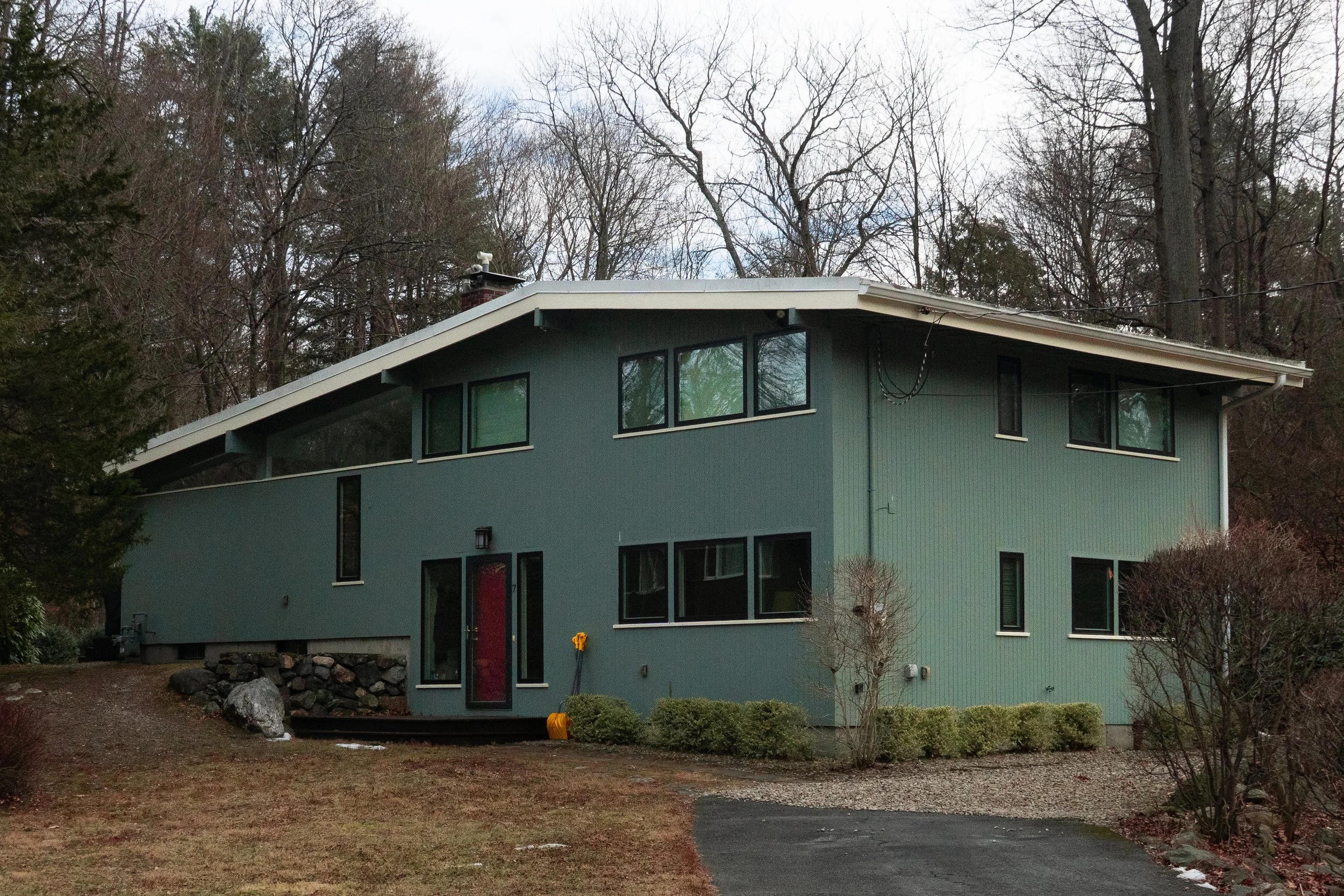
Rumford Road
Photo by Drew Chuang
Rumford Road
This ten-acre community of 11 homes was built in 1959. The houses feature three stories with bedrooms on the top, open-plan living space on the middle floor, and basement space suitable for storage or additional bedrooms.
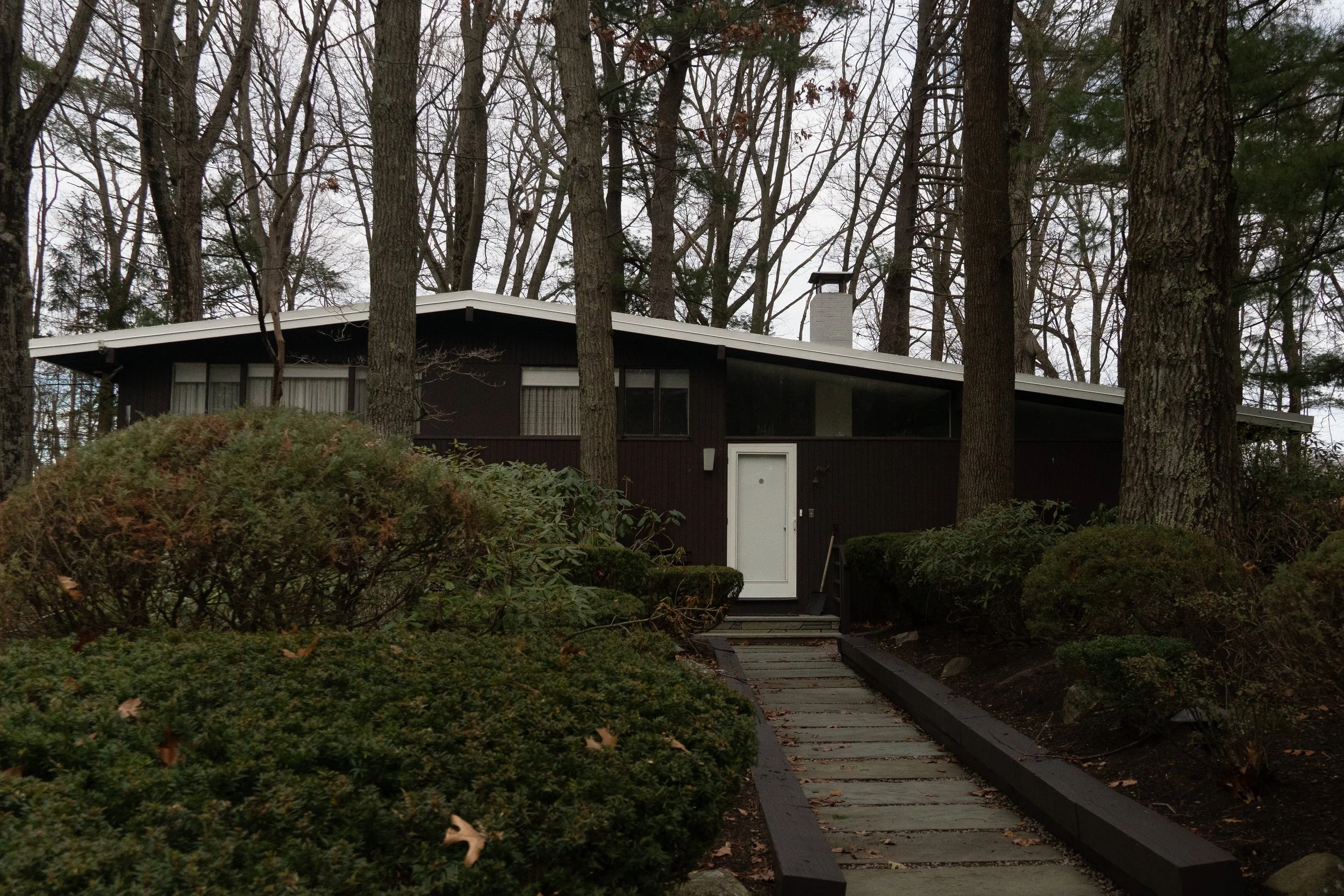
Marshall Road
Photo by Drew Chuang
Glen Estates
Between 1960 and 1966, this development utilizing the Peacock Farm design was built in the eastern part of Lexington bordering a 17-acre parcel of conservation land. Like the other similar developments, the houses have three levels, are clad in stained vertical siding, and feature horizontal bands of windows.
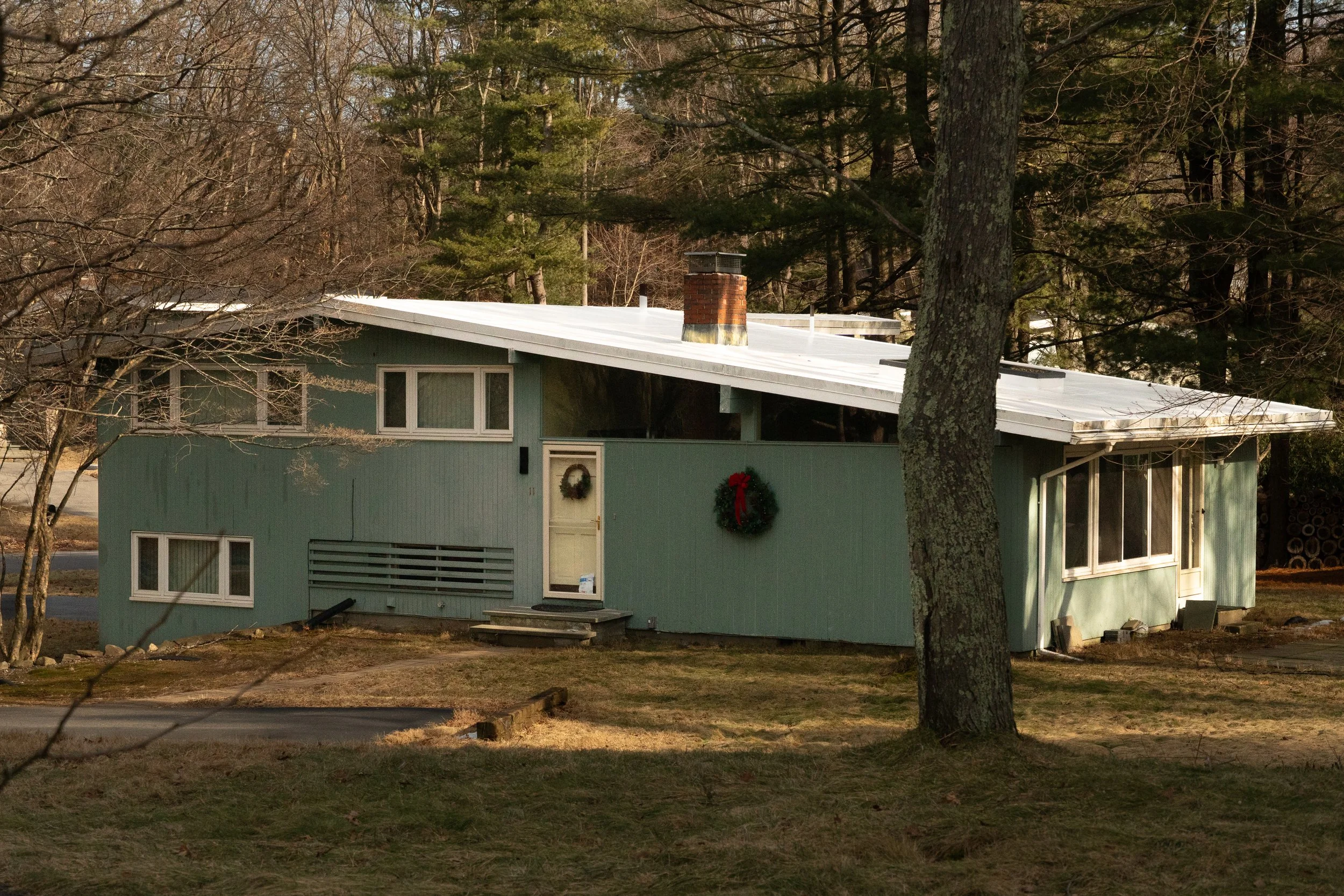
Angier Road
Photo by Drew Chuang
The Grove
This neighborhood of 40 houses was developed between 1962-1965 in the northern part of Lexington, just south of Route 128/ 95 and the Turning Mill development. This area was developed by Green and White, the developers of the original Peacock Farm neighborhood, and the homes reflect the characteristics of this earlier development.
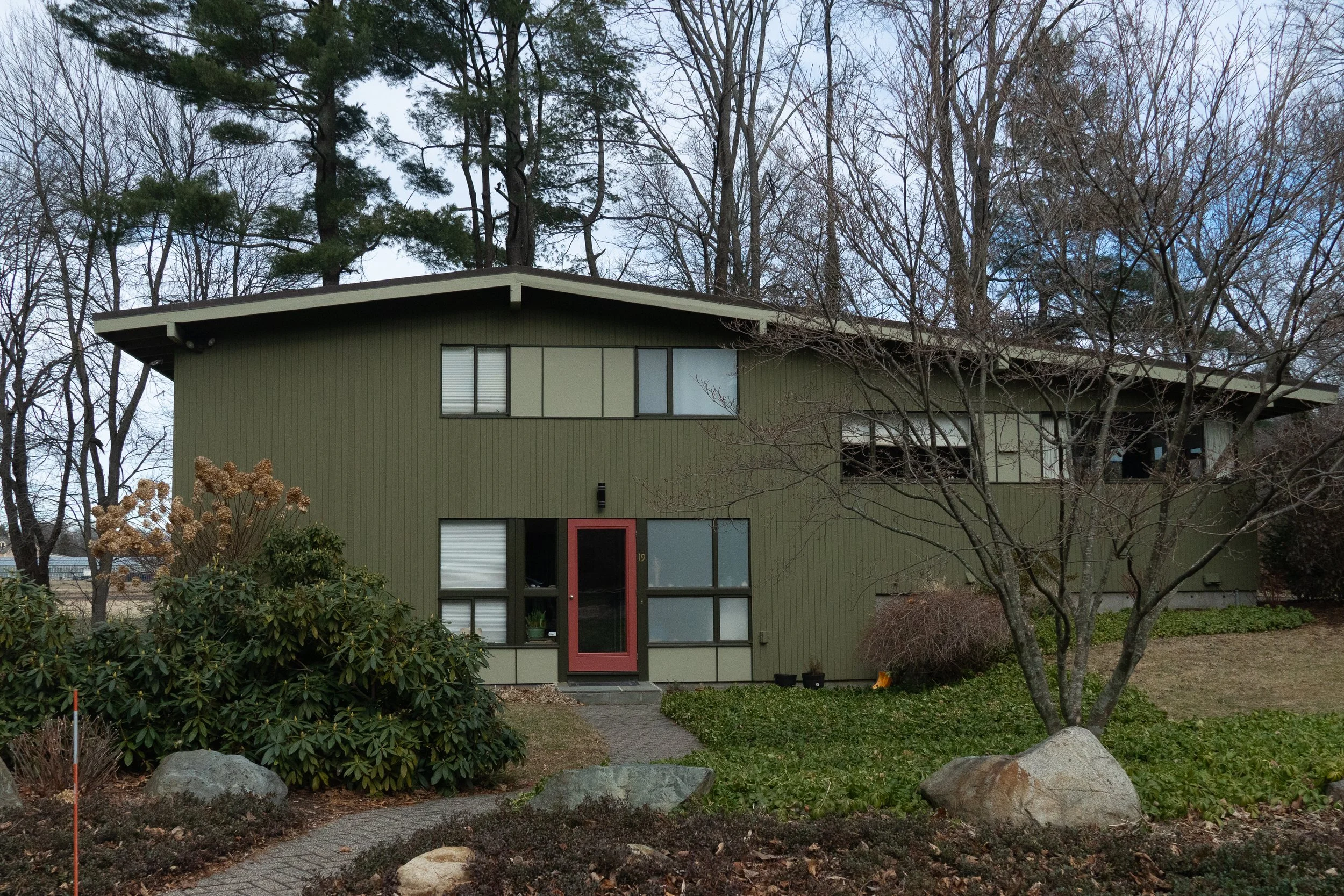
Mason Street
Photo by Drew Chuang
Pleasant Brook
A 15-acre parcel of land adjacent to the original Peacock Farm community was developed between 1967-1979. Thirty-four houses were constructed in the split- level design of the Peacock Farm prototype. In the final phase of development, two “Deck Houses” reflecting the Techbuilt design were added.